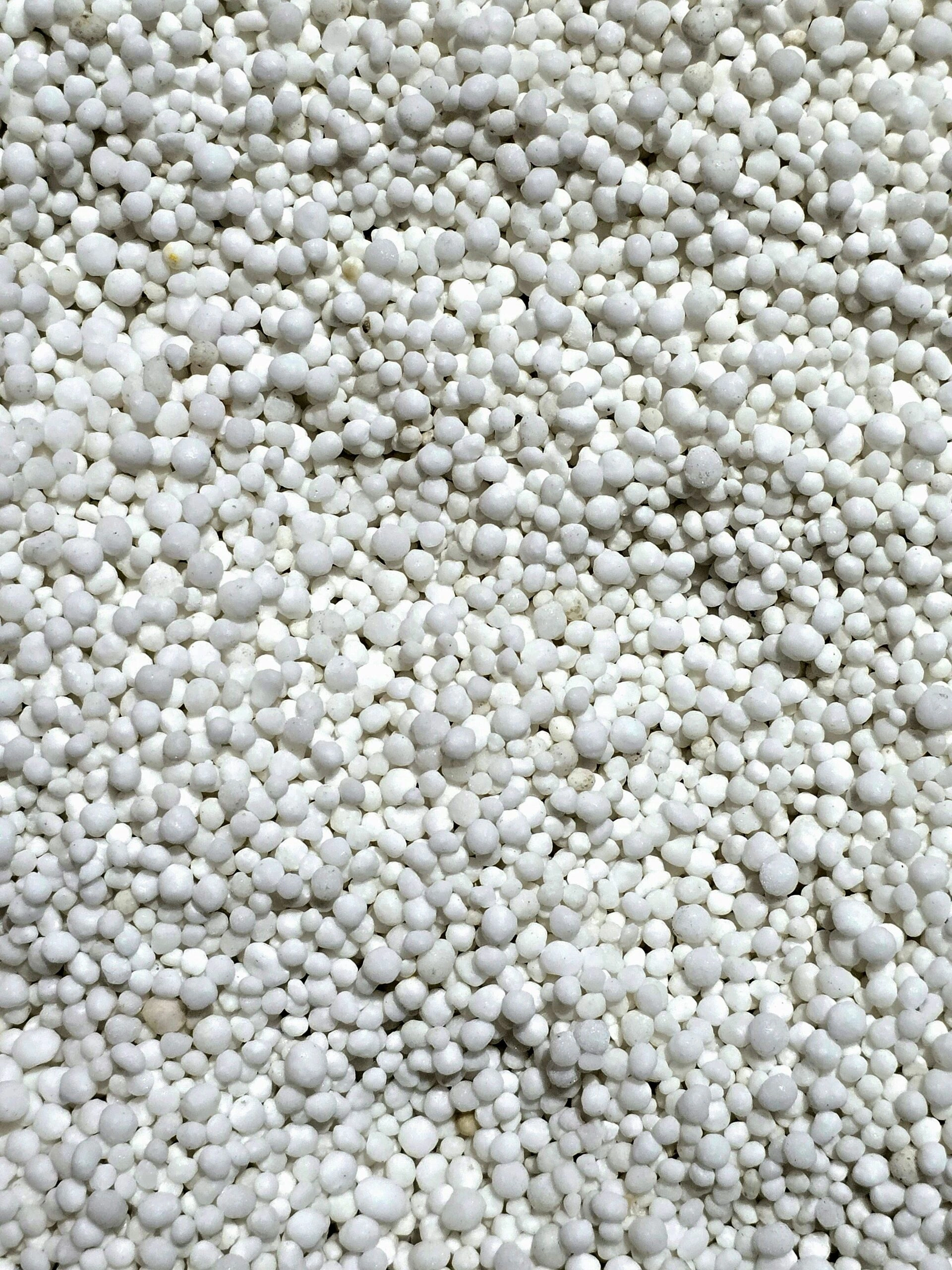
kenneth berrios alvarez jvfgc2f4gf8 unsplash
|

Feeding your plants

You’ll need to feed your plants for good crops. It can seem confusing — NPK ratios, trace elements, organic versus chemical — but for allotment growing, a few simple rules see you through. Your soil is probably in reasonable condition, and if it wasn’t cropped last year it may give decent crops with little extra feeding.

  • Compost or well-rotted manure always helps soil structure — dig it in over winter, or just before planting hungry crops like potatoes or beans.
  • Fertiliser is concentrated food, as a solid (Growmore, blood, fish & bone) or liquid (tomato food). Packets and bottles carry the instructions.
  • The traditional home-made liquid feed (‘jollop’) is a bag of well-rotted compost in a dustbin, topped up with water.
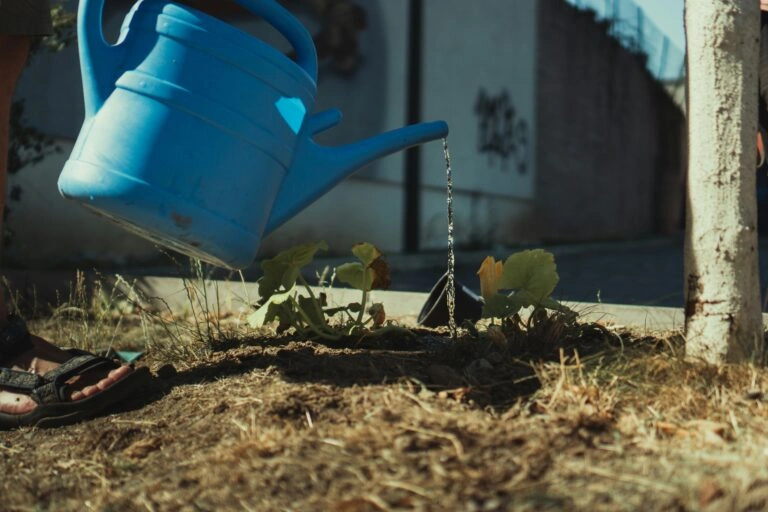
  • Feed needs to reach the roots — put fertiliser in the planting hole or water it into the root zone.
  • Don’t overdo it — the plant needs a boost, not a flood. Through photosynthesis it makes much of its own food.
  • Brassicas need lime to grow well (added to the area or into the planting hole) and are heavy feeders.
Similar Posts

  • |

    Paths

    We all share the maintenance of the paths around the allotment to ensure that we can all get too and from our allotments without injury. The path you need to look after is the path on the right-hand side of your plot when viewed from the main path. Woodchip is available for free behind the sheds and…

  • |

    Perennial weeds

    Perennial weeds include, in rough order of frequency: The worst offenders Couch grass and bindweed are the worst offenders — persistent, capable of travelling long distances underground, and able to regenerate from a small piece of root. They can run under paths and sheds, so dig them out completely. If left, they’ll compete with your…

  • |

    Crop rotation

    Many plotholders advise not planting the same annual crop in the same place each year — for plant health and productivity, give it a new spot annually, with a minimum three-year cycle before a crop returns. This is where knowing your plant families pays off. The classic rotation is: Year 1 Year 2 Year 3…