Planning your plot
Note how your plot sits relative to the sun. Most plots run north–south along their long dimension, so rows planted across the short dimension will shade each other. A six-foot row of runner beans casts a big shadow and is best aligned north/south, so it doesn’t shade neighbouring crops for most of the day but still catches the early and late sun.
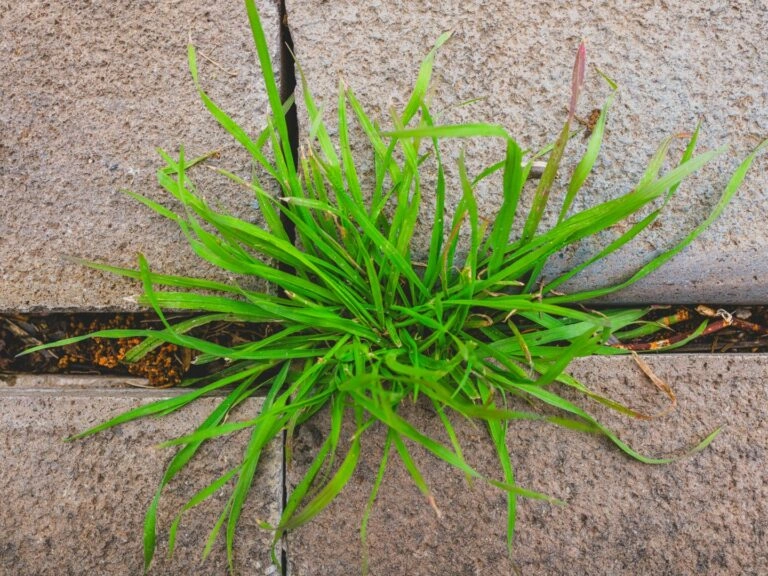
Also note areas shaded by trees, a neighbour’s shed, or even low fences and paths — this may shape your layout. If there’s a shed on your plot, one decision is made for you. Adding a shed or greenhouse? A greenhouse needs good sun (a shed doesn’t); you can shade a greenhouse but you can’t remove the shade from a neighbouring tree or shed. Deal with any pernicious weeds on the site first.
You don’t need a full plan in your first year. Sow and plant areas as you clear them — the main season runs March to November, so there’s plenty of time to get crops going section by section. By year two you’ll have cleared most of the perennial weed and gained some experience, and can start planning around any inherited perennials (rhubarb, fruit trees) and a crop rotation.