Cultivating your plot
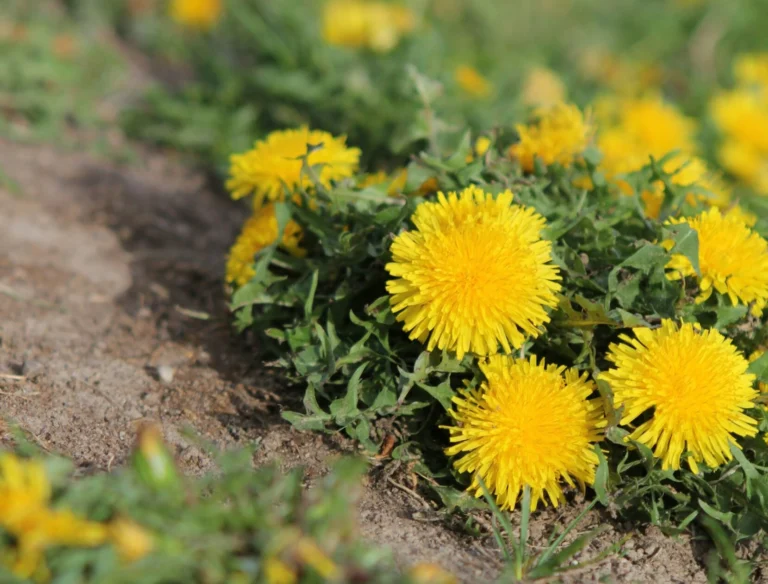
There are three main ways to tackle persistent weeds and get the ground ready for sowing and planting — and you can combine them. Each has its trade-offs. If you’re planning permanent raised beds and paths, you really do need to eradicate the pernicious weeds from the start, across the whole area.
Hand dig
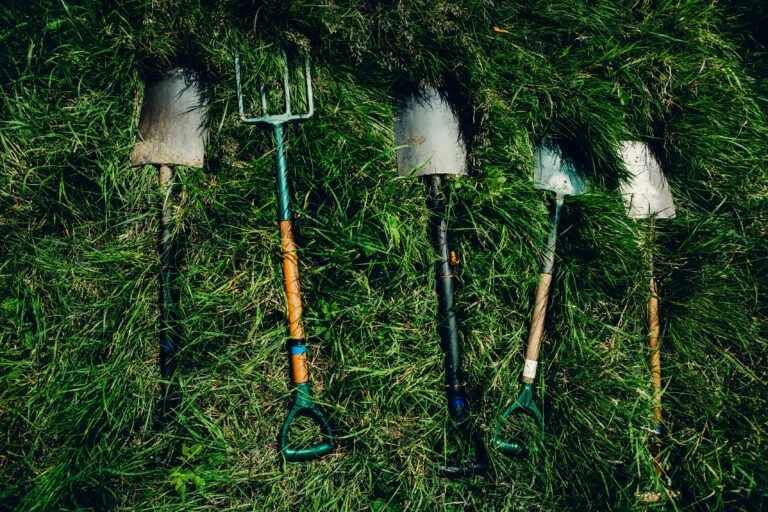
The hard-work option. Done thoroughly you’ll remove about 95% of weed roots, leaving very little follow-up during the growing season. Dig with a fork so you don’t chop roots into fragments; remove annual weeds and soft top growth to the compost bin.
Start by loosening the surface and picking out shallow weed material. Then dig down a fork’s depth and turn over each clod, breaking it up and sifting through several times to pick out the roots. Work methodically so you don’t miss anywhere — the more care you take, the better the result. Large clods of weedy root can go in a separate pile; after a month or so the roots separate more easily from the soil, which returns to the plot clean.
|
Advantages |
Disadvantages |
|---|---|
|
|
You’re now ready to add compost or fertiliser and prepare a seedbed, plant potato or onion sets, or bed out young plants.
Rotavate
Apparently quick, but a rotavator can make the weed problem worse by chopping roots into hundreds of potential new plants — so you’ll probably still have to dig through and pick out the pieces. Repeated rotavating also tends to compact the soil and create a hard pan that prevents good drainage.
|
Advantages |
Disadvantages |
|---|---|
|
|
No dig
A method promoted by Charles Dowding (with many videos on YouTube), based on looking after the soil and denying weeds light so they weaken over time.
- Few weeds: a good mulch of compost 2–3″ (5–7 cm) in autumn, then tackle weeds before they take hold.
- Many weeds (mostly annuals): level the ground (slice off humps into the shallows), cover with cardboard leaving no gaps, then mulch with 4–6″ (10–15 cm) of compost.
- Brambles and woody growth: cut back with a spade below the surface before covering.
Weeds will try to push through — remove them as soon as you see them. Vigorous weeding in the first few years weakens the plants and means fewer issues later.
|
Advantages |
Disadvantages |
|---|---|
|
|